
Digital reputation has become one of the main indicators of corporate credibility. Today, the initial perception of a brand stems, in most cases, from an internet search, a digital news article, or content amplified by third parties.
Digital public relations has become a strategic lever for generating authority, organic visibility, and trust among customers, investors, and stakeholders.
According to the European Commission, strengthening digital trust services — those that guarantee the security, validity and reliability of online interactions — is an essential element for business competitiveness, as it allows organizations and consumers to interact with greater security and credibility in the digital environment.
Companies that invest in a robust Digital Public Relations ecosystem don’t just communicate: they build a reputational system capable of withstanding crises, amplifying quality content, and sustaining a coherent narrative in the long term.
What are Digital Public Relations and why are they essential today?
Digital public relations encompasses all strategies aimed at strengthening a brand’s online reputation through structured communication, digital media relations, and the creation of authoritative content. Simply having an online presence is no longer enough; what matters is being recognized as a reliable, professional, and authoritative source .
Digital credibility does n’t stem from isolated statements, but from the consistency and quality of information a brand maintains over time. When content is clear, verifiable, and consistent, public perception is strengthened and the company’s authority is consolidated. This approach is what allows Digital Public Relations to build real and sustainable trust.
Digital public relations as a reputation engine
When a company integrates Digital Public Relations into its overall strategy, the benefits are directly reflected in its reputation and visibility . Customer trust increases, search engine ranking improves, and the corporate narrative becomes stronger and more professional. Furthermore, a well-structured strategy acts as a barrier against disinformation campaigns and negative content.
This impact is reinforced when the strategy is supported by specialized online reputation management services, which allow for controlled intervention in the public perception of the brand.
Reputation as a strategic asset
“Reputation is one of the most valuable intangible assets for a company, as it directly impacts perceived value, competitiveness, and the ability to attract investment.” – Andrea Baggio, CEO EMEA of ReputationUP
This view reflects a growing reality: digital reputation influences business decisions, strategic agreements, and investment processes.
Identify and map the reputational ecosystem
Building a digital public relations ecosystem always begins with analysis and active listening. Before communicating, it’s essential to understand
how the brand is perceived, what information dominates search results, and what sources are already influencing public opinion.
This analysis allows you to identify strengths, weaknesses, and reputational risks, as well as opportunities to position valuable content. To do this, it is crucial to rely on advanced online reputation monitoring systems , which facilitate the early detection of potential crises and narrative deviations.
Design a coherent Digital Public Relations strategy
An effective digital PR strategy integrates communication, SEO, media relations, and digital identity protection. The key is not
It lies not in isolated actions, but in the coherence and continuity of the published messages, in the selection of prestigious portals and in the constant monitoring of the results.
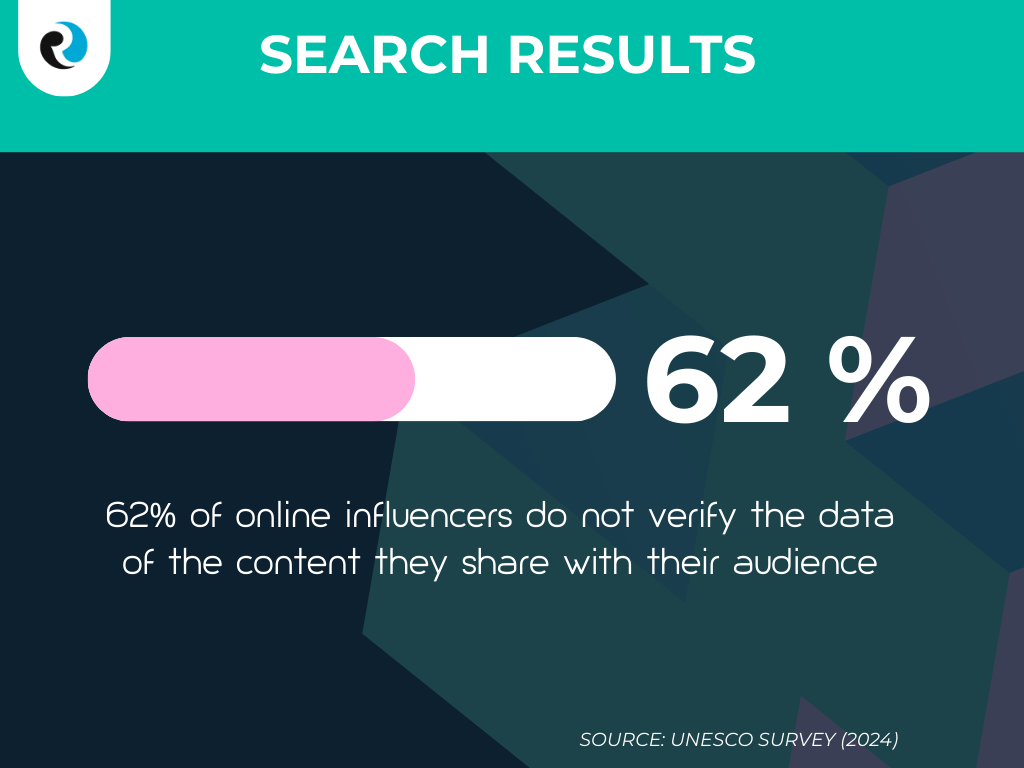
UNESCO‘s Guidelines on Online Information Quality emphasize that credibility is built on clear, verifiable content published by reliable sources. This principle explains why Digital Public Relations functions as a reputational certification mechanism.
Restore and strengthen digital reputation
Digital public relations not only serves to build reputation, but also to restore it when it has been compromised . Outdated information, unfair reviews, or distorted content can be corrected by publishing authoritative content and positioning it in relevant media outlets.
In these cases, solutions such as removing information from Google allows you to reduce the negative impact and gradually rebuild trust.
How to build a strong reputation ecosystem
An effective reputation ecosystem combines strategic communication, governance, and digital identity protection. Authority is generated
with reliable content; media relations must be stable and professional; monitoring must be continuous, and digital identity must be protected through clear policies and control of published information.
Business credibility is also closely linked to protecting digital identity and ensuring the consistency of publicly disclosed information . When data is consistent, verifiable, and adequately protected, organizations reduce the risk of misinterpretation and strengthen trust in digital environments.
Conclusion: Digital Public Relations as the basis of corporate reputation
Digital public relations has become the strategic foundation of modern corporate reputation . Generating reliable information, maintaining strong digital relationships, and protecting corporate identity are no longer optional, but rather a competitive advantage.
Companies that invest in structured Digital PR strategies control their narrative, strengthen trust, and build a reputation capable of withstanding crises and changes in the environment .
Frequently Asked Questions (FAQ)
Digital PR allows you to build a solid reputation that increases public trust, improves organic visibility, and facilitates the creation of strategic relationships with media outlets and key stakeholders.
Yes. Content published in trusted digital media reinforces the authority perceived by search engines, which favors the ranking and overall visibility of the brand.
Especially. For many SMEs, digital reputation has become a decisive factor in the choice of products or services, and Digital PR offers an effective way to reinforce credibility.
The first impacts are usually seen within a few weeks, although consolidating a solid reputation requires continuity, consistency and a medium- and long-term strategic approach.
Yes. By publishing authoritative, well-structured, and properly positioned content, it is possible to rebalance the public perception of a brand and reduce the impact of negative information.