
Constant exposure is the driving force behind an influencer’s business, but also their greatest risk.
A sponsor doesn’t just analyze follower numbers: they review search engine results, past headlines, and recent mentions. Digital reputation It has become a filter prior to any agreement.
Today, reputation no longer lives solely on social media or the first page of Google. It also resides in databases, content aggregators, and AI systems that synthesize information available online. Protecting it requires strategy, analysis, and constant action.
Digital identity as a strategic asset
For celebrities and influencers, personal branding is a financial asset. Every collaboration, sponsorship, or media appearance depends directly on the trust generated by their digital identity.
The European Commission‘s Data Protection Framework recognizes the importance of controlling personal data and online reputation within the framework of the General Data Protection Regulation (GDPR). This is not only a right, but also a strategic obligation when public image is part of the business model.
A viral scandal, an unverified accusation, or manipulated content can result in contract cancellations and a loss of credibility.

Main reputational risks for influencers
Digital crises evolve at an unprecedented speed. A comment taken out of context can be amplified in a matter of minutes and establish a narrative that is difficult to reverse.
Identity theft and digital fraud
According to the According to the European Union Agency for Cybersecurity (ENISA), attacks related to digital identity, content manipulation, and online fraud continue to rise. For a public figure, this can translate into fake profiles, scams using their image, or altered content.
Artificial intelligence and algorithmic reputation
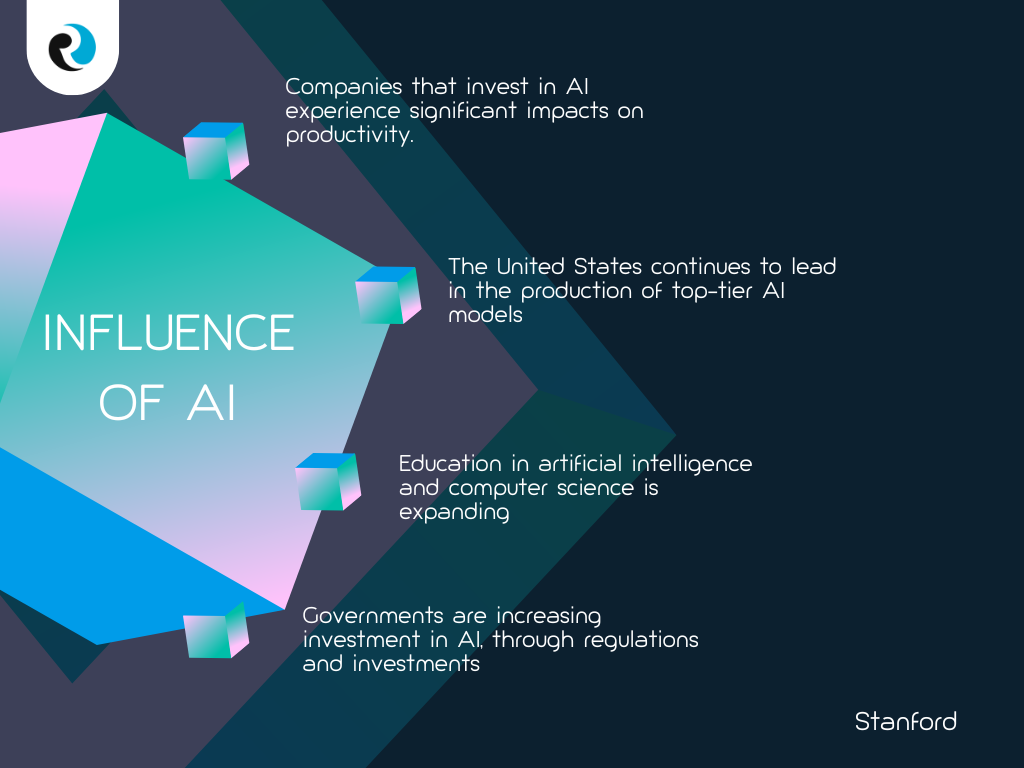
He Stanford’s AI Index Report 2025 confirms that AI systems depend directly on the quality and structure of available data. If public information is fragmented or dominated by negative mentions, AI can synthesize that narrative as dominant.
AI-based platforms, including models developed by OpenAI, process public data to generate descriptive profiles. Without narrative control, digital identity can be left in the hands of the algorithm.

How to implement an effective ORM strategy for influencers
The first step is always diagnosis. A professional online reputation management process allows you to identify vulnerabilities, negative mentions, and potential crisis points.
From there, work begins on:
Building a positive and verified narrative
Simply removing harmful content is not enough. It is necessary to produce structured, coherent, and traceable information.
A comprehensive approach includes thepersonal feeling, and active risk management to anticipate a possible reputational crisis.
Well-documented content, strategic interviews, and a presence in trusted media reinforce positive signals that search engines and AI systems tend to prioritize.
Continuous monitoring and regulatory compliance
Digital reputation is not static. It changes constantly. Federal Trade Commission (FTC). The Influencer Guidelines establish clear obligations regarding advertising transparency. Failure to comply can result in legal penalties and reputational damage.
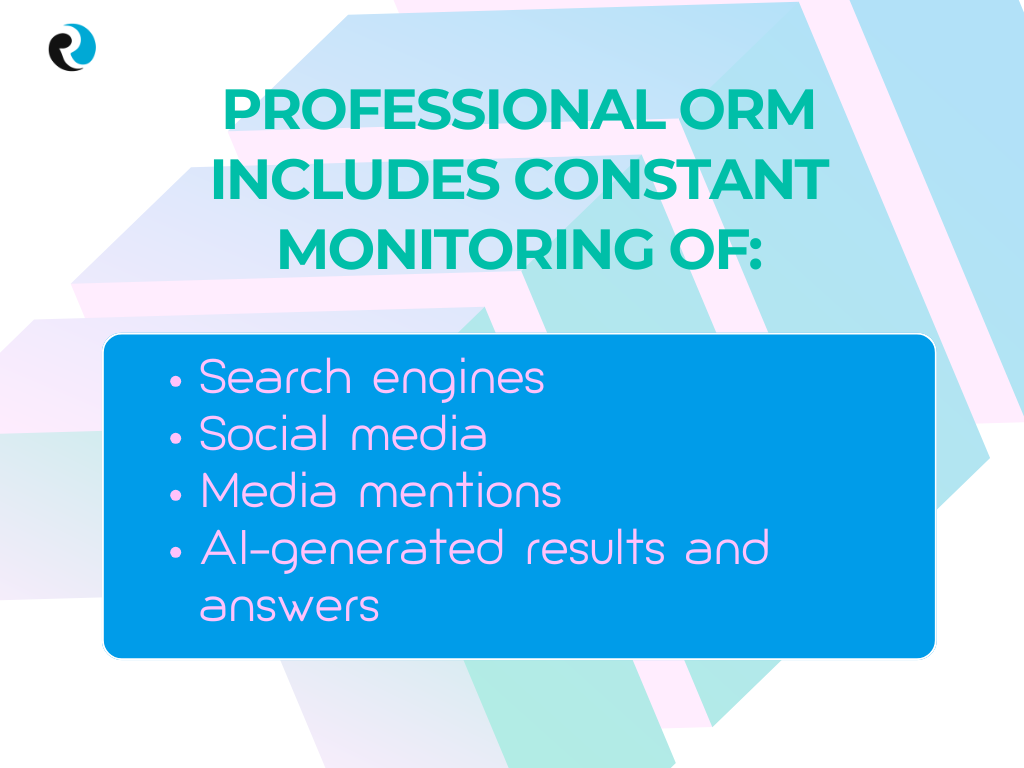
Therefore, professional ORM includes constant monitoring of:
- Search engines
- Social networks
- Media mentions
- AI-generated results and responses
The evolution of ORM: from Google to AI
Traditionally, reputation management focused on search results. Today, the landscape is more complex. Generative platforms analyze public data and transform it into concise descriptions of a person.
If the public narrative is incoherent, incomplete, or negative, that will be the summary that emerges.
Modern ORM must consider both search engine visibility and optimization for automated response systems .
This implies consistency in biographies, constant updating of achievements, and strategic removal of damaging information.
Conclusion
ORM for influencers and celebrities is a strategic investment in digital stability. In an environment where reputation is built in real time and can be reinterpreted by automated systems, anticipation is essential.
Protecting digital identity is not about reacting to harm, but about designing a solid narrative before a crisis arises.
Reputation today is a hybrid: human and algorithmic. And both require professional management.
Frequently Asked Questions (FAQ)
Because for influencers, personal identity is the core asset of their business. There is no separation between brand and person. This means that any crisis simultaneously affects reputation, community, contracts, and credibility. Furthermore, the emotional and viral dynamics of social media amplify the impact much faster than in traditional corporate environments.
Algorithmic systems prioritize patterns, recurrence, and dominant signals. If a negative, controversial, or incomplete narrative has greater volume or clarity than a positive one, it can become the dominant narrative. AI does not evaluate intention or context; it interprets statistical consistency.
Yes. In highly connected digital environments, a specific controversy can be indexed, replicated, and reused by automated systems for months or years. Without strategic intervention, what was once episodic can become a permanent feature of the digital narrative.
Generative AI synthesizes publicly available information and tends to reinforce the most consistent pattern available. If a person’s digital ecosystem is unbalanced, the model can reproduce that bias in its responses, becoming a reputational amplifier.
Not always. When there is a legal violation—such as defamation or privacy breach—it is possible to request removal. In other cases, the strategy is not to delete but to shift, contextualize, and balance the narrative using authoritative content.
Reactive strategies operate only after damage is already visible. Preventive strategies focus on narrative consistency, constant monitoring, and reinforcing positive signals before a crisis arises. In AI environments, prevention is considerably more effective than belated correction.
It depends on the volume and nature of the negative content, but initial changes are usually seen between 30 and 90 days when there is a structured, sustained strategy based on verifiable authority signals.
Because reputation is dynamic and generative models continually reinterpret available information. A new viral mention can alter, in just a few hours, the narrative that algorithms and virtual assistants publicly reproduce.
Content with traceability, thematic coherence and professional backing: interviews in recognized media, verifiable collaborations, own studies, expert positioning and strategic presence outside of volatile social networks.