
Technological evolution has redefined how public legitimacy is consolidated. The incorporation of advanced artificial intelligence systems introduces a new actor into the political sphere: AI as a structural intermediary of public perception.
In this context, the political reputation of AI cannot be analyzed solely from the perspective of traditional strategic communication.
It’s about understanding how automated systems synthesize information, prioritize patterns, and project consolidated narratives about political leaders.

Artificial intelligence as a narrative architecture
Generative models do not present isolated results. They construct coherent syntheses that organize background information, statements, controversies, and achievements into a compact narrative.
A long institutional trajectory can be reduced to a few dominant attributes. A recurring episode can become the central interpretive axis. This logic transforms reputation into a phenomenon algorithmic, cumulative and structural.
According to the European Union’s AI Act, artificial intelligence must operate under criteria of transparency and human supervision precisely because of its ability to influence public and social decisions.
The technological influence on political perception is already part of the international regulatory debate.
Political reputation, AI, and institutional accountability
Digital governance requires understanding that transparency is not only a democratic value, but a technical condition for reputational stability.
Systems prioritize structured and verifiable information. When inconsistencies exist between official platforms or data is incomplete, AI integrates patterns without contextualizing intent.
Therefore, documentary consistency becomes a strategic asset .
In this field, practices such as online reputation analysis allow auditing how the digital identity of a public figure is synthesized in automated environments.
Digital persistence and algorithmic memory
Artificial intelligence does not evaluate political relevance using human criteria; it evaluates the density and frequency of information. Therefore, outdated but widelycited content can acquire similar weight to current content.
UNESCO Recommendation on the Ethics of Artificial Intelligence highlights the need for traceability and accountability in automated systems, precisely to avoid disproportionate effects on public representation.
When strategic oversight is lacking, the Automated narratives can reinforce simplified or outdated perceptions.
Algorithmic simplification and reputational risk
Politics operates in complex contexts. Automated systems operate based on statistical regularities.
When a model synthesizes a leader’s identity, it prioritizes repetition over contextualization. This can lead to:
- Ideological oversimplification;
- Overrepresentation of controversial episodes;
- Displacement of less documented technical achievements.
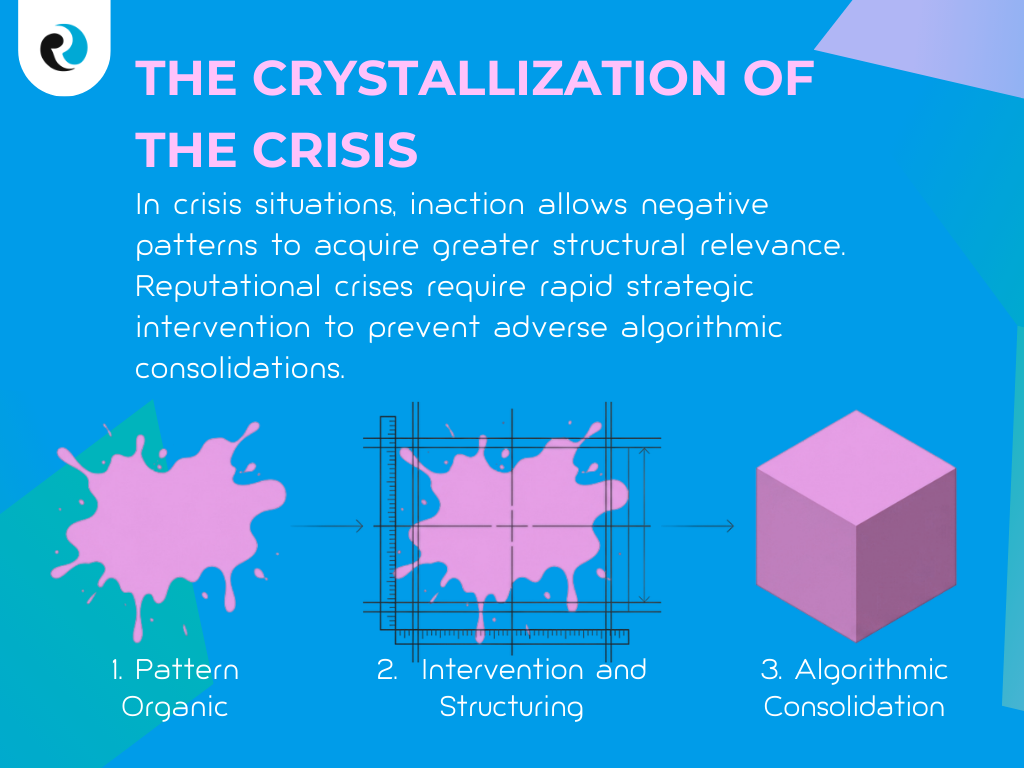
In crisis situations, reputational crisis management requires swift strategic intervention to prevent adverse algorithmic consolidation.
Inaction allows negative patterns to gain greater structural relevance.
Disinformation and automated amplification
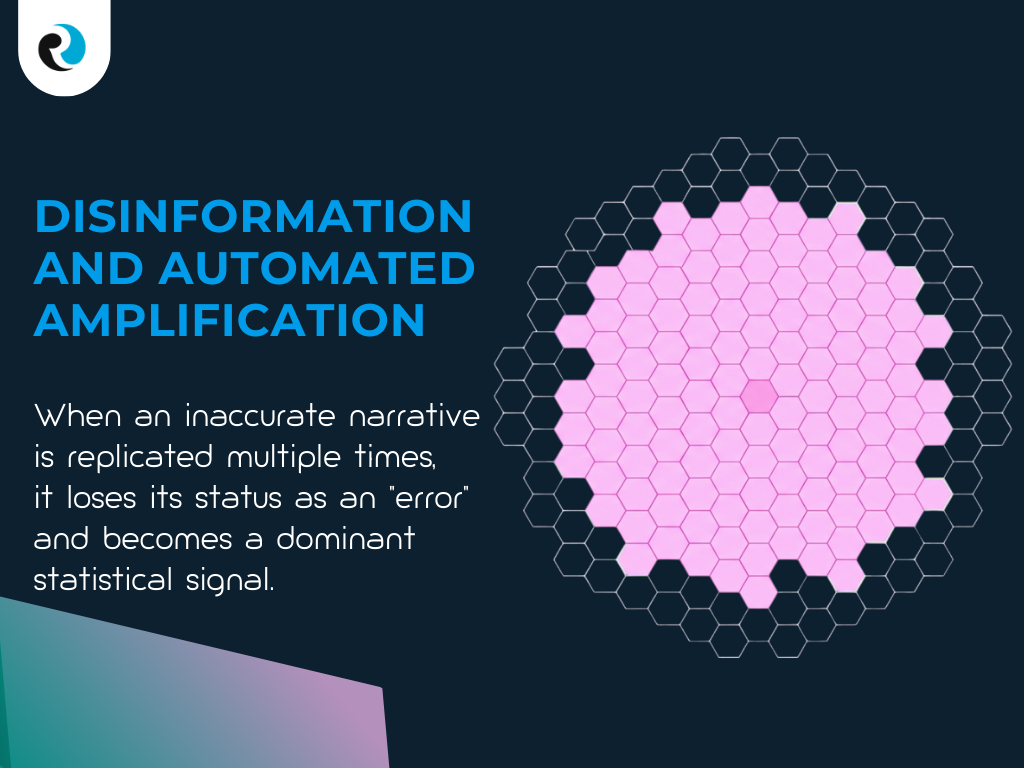
When an inaccurate narrative is replicated multiple times, it can become a dominant statistical signal.
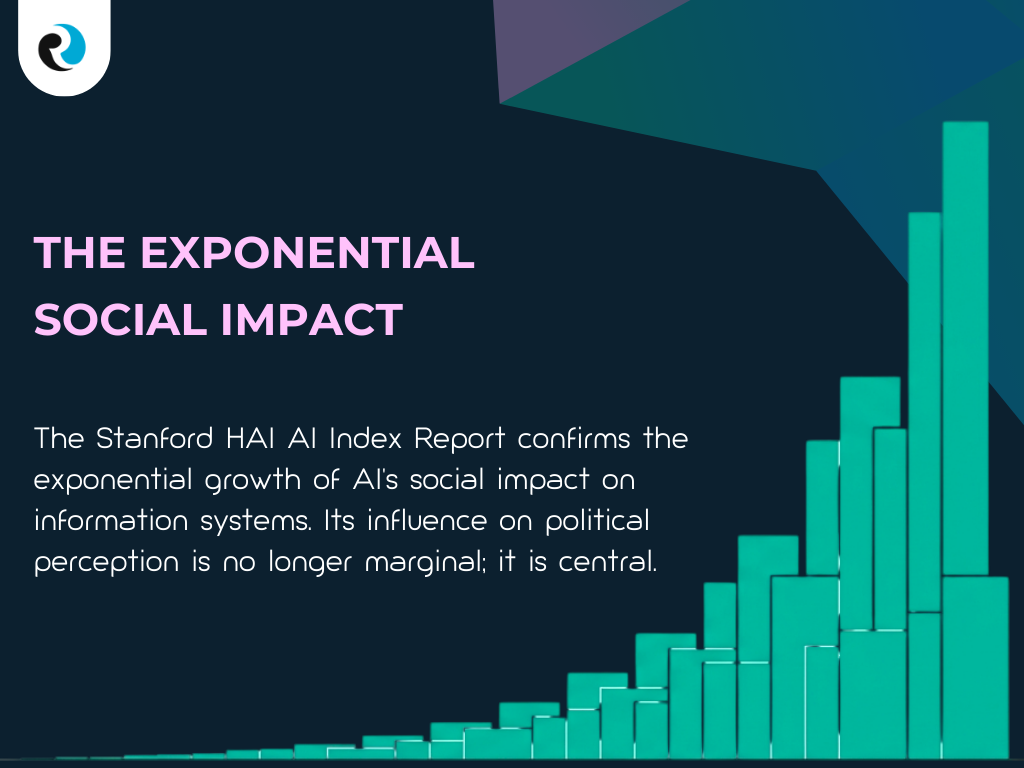
The Stanford HAI AI Index Report has pointed to the exponential growth of AI’s social impact on information systems, confirming that its influence is no longer marginal.
Modern digital governance requires constant monitoring, technical intervention capacity and periodic review of the digital footprint.
In cases where there is outdated or harmful content, mechanisms such as the right to be forgotten are part of the framework for legitimate reputational protection.
Conclusion
Artificial intelligence does not replace political debate, but it redefines the way in which it is synthesized and presented to the public.
AI’s political reputation demands :
- Institutional coherence;
- Rigorous documentary architecture;
- Permanent strategic supervision;
- Deep understanding of algorithmic functioning.
Contemporary legitimacy no longer depends exclusively on political discourse; it also depends on the structural quality of the information that automated systems process and reproduce.
Frequently Asked Questions (FAQ)
Yes. Synthesis models generate structured responses that influence citizens’ decisions without going through traditional media filters.
Volume matters, but structured and verifiable quality has a greater capacity to consolidate stable narratives.
They can become entrenched quickly if not managed strategically. Early intervention is crucial.
Yes. The European AI Act introduces supervisory frameworks precisely because of the social and political influence of these systems.
5. Is it ethical to optimize the digital presence of political leaders?
Optimization does not imply manipulation. It implies ensuring consistency, truthfulness, and traceability.
If it reaches sufficient density and digital recurrence, yes.
Yes, through sustained consistency, rigorous documentation, and structural reconstruction of digital signals.