
The founder of ReputationUP Group discusses how shifting geopolitical dynamics and advances in artificial intelligence are reshaping reputation protection, digital security and corporate strategies worldwide.
Geopolitical tensions, increasingly fragmented markets and the rapid development of artificial intelligence are transforming how businesses, institutions and organizations approach reputational risk.
The World Economic Forum’s Global Risks Report 2026 identifies geoeconomic confrontation and misinformation among the most significant global risks in the years ahead.
We spoke with Andrea Baggio, an Italian entrepreneur from the Veneto region and founder of ReputationUP Group, about the forces reshaping the industry and the strategies that will define its future.
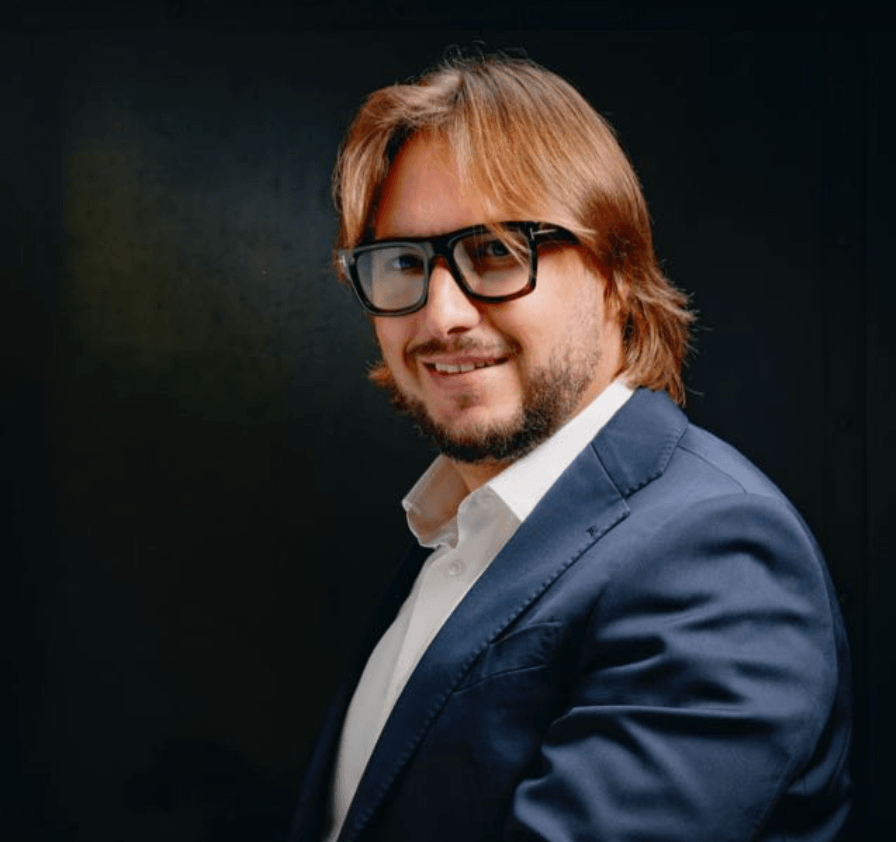
Andrea Baggio, how significantly is geopolitics affecting corporate reputation?
«Far more than many people realize. Today, a political crisis, a diplomatic dispute or a shift in economic power can have immediate consequences for how a company is perceived, even thousands of miles away.
Reputation is no longer simply a matter of communication or public image. It directly influences investor confidence, business relationships and, under certain circumstances, even operational continuity. That is why it must be managed from an international perspective.»
Does artificial intelligence represent an opportunity or a new source of risk?
«Both. Artificial intelligence is fundamentally changing how information is created, distributed and interpreted. Generative AI systems are becoming new intermediaries between people and knowledge.
For businesses, this means navigating an increasingly complex information environment, where inaccurate content, outdated information and disinformation campaigns can shape public perception.
At the same time, AI provides exceptional tools for monitoring, analysis and the early identification of emerging threats. The difference will lie in how effectively organizations deploy these technologies, combining technical expertise with sound methodology and responsibility.»
How should reputation protection strategies evolve?
«We need to move beyond a purely reactive approach. Taking action only after a crisis has escalated is no longer sufficient.
Effective protection requires continuous monitoring, investigative capabilities, technological expertise and a thorough understanding of different regulatory environments. Above all, reputation management, cybersecurity and intelligence must become part of a coherent, integrated strategy.
The real competitive advantage will be the ability to identify a risk before it develops into a crisis.»
Is this also why ReputationUP Group has strengthened its international structure?
«Exactly. Digital threats do not respect national borders, while effective responses often require both local expertise and global coordination.
This is why we have entered a new phase of international consolidation. For more than a month, I have served as the sole Global CEO of ReputationUP Group, with unified executive leadership overseeing all the Group’s activities worldwide.
This is a deliberate organizational decision: to integrate our expertise more closely, improve decision-making and develop a shared strategic direction, while preserving our understanding of individual markets.
Internationalization is not simply about opening offices in different countries. It is about building an organization capable of thinking globally and acting locally with precision.»
What will be the greatest challenge in the years ahead?
«I believe the central challenge will be preserving trust in an environment where distinguishing reliable information from manipulated content and artificially generated representations of reality is becoming increasingly difficult.
Our industry must evolve alongside technology, while maintaining expertise, responsibility and the ability to anticipate change at its core.
Reputation is a strategic asset. And in an increasingly interconnected world, protecting it requires an equally global perspective.»