
A negative reputation on ChatGPT now represents a tangible risk for companies, managers, and professionals . Increasingly, users consult these types of conversational systems before making decisions, hiring services, or forming a first impression .
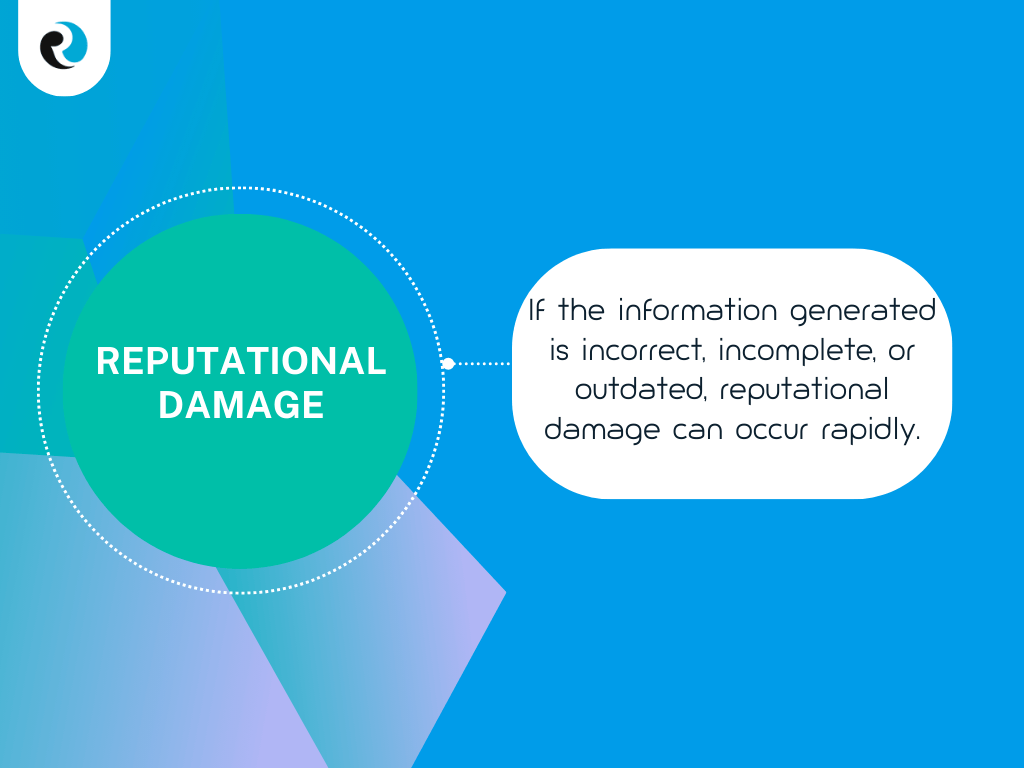
When the information generated is incorrect, incomplete, or outdated, reputational damage can occur quickly.
Understanding what mechanisms exist for requesting corrections, modifications, or deletions and how to approach them in a structured way is key to regaining narrative control.
Why might a negative reputation appear on ChatGPT?
The presence of negative information is not usually arbitrary . In most cases, it reflects imbalances in publicly available information .
Common factors that influence perception
When outdated content , unupdated posts , or incomplete data predominate , these can become the focus of a response . Furthermore, if there is no clear and verifiable positive information to counterbalance this situation, the resulting narrative tends to be negative .
Before taking action, it is advisable to conduct a reputation analysis to identify the true source of the damaging information.
Effective methods for requesting corrections or deletions
Correcting negative information requires accuracy and documentation. Generic requests rarely produce consistent results.
Official correction channels
Formal mechanisms exist in GPT chat for reporting incorrect or harmful information. For a request to be truly effective , it must clearly explain what information is wrong , why it doesn’t reflect the current situation , and provide verifiable references to support the requested correction.
When the approach is sound and well documented, the chances of modification increase significantly.
Strategic reinforcement of accurate information
In many cases, the corrections are not reflected immediately. Therefore, it is advisable to work in parallel on reinforcing the positive information available.
Building a balanced narrative
Publishing professional content , complete biographies , and verifiable statements allows accurate information to gain weight over negative mentions.
This work must be consistent and sustained over time to be effective.
Monitoring through sentiment analysis helps to measure whether digital perception is beginning to stabilize.
To intervene on the original source of the content
When negative information originates from external publications , action must begin at the source . Requesting formal corrections or exercising corrective rights helps limit the persistence of harmful content.
Regulatory framework and official reference
In the European Union, actions regarding negative content have clear legal backing. The European Commission recognizes the right to rectification and the protection of personal data as fundamental pillars for correcting inaccurate, decontextualized, or outdated information in the digital environment.
Acting directly on the original source not only allows for the restoration of informational veracity, but also reduces the long-term impact and prevents the recurring reappearance of harmful data in search engines and artificial intelligence systems.
In sensitive contexts, it is advisable to assess reputational risk beforehand in order to prioritize actions.
Continuous monitoring and prevention
Beyond making immediate corrections, prevention is essential. Monitoring public mentions allows us to detect new impacts and act before they become entrenched.
Constant monitoring facilitates more proactive and controlled management.

The importance of information consistency in the medium term
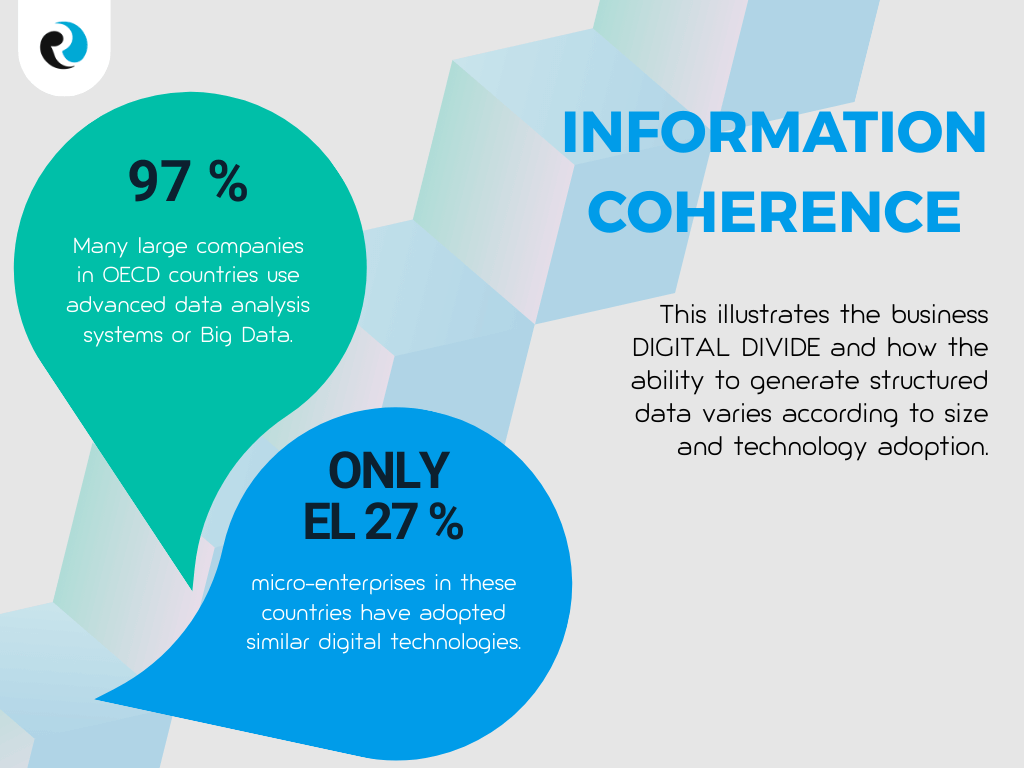
One aspect that is often underestimated in managing negative reputation on ChatGPT is the consistency of information over the medium and long term . It is not enough to correct a specific piece of information or remove a particular reference if, at the same time, the publicly available information remains fragmented or contradictory .
The lack of consistency between professional profiles, corporate communications, and digital presence creates an environment conducive to inaccurate interpretations , a factor directly related to digital trust, as the OECD points out in its guidelines on information integrity.
Therefore, it is essential to maintain a consistent, up-to-date, and aligned narrative across all relevant channels. Regular content review, updating key information , and removing outdated data help reduce the risk of incorrect mentions reappearing.
This preventive work, sustained over time , is one of the factors that most influences reputational stability and the reduction of future impacts.
Common mistakes to avoid
One of the most common mistakes is acting without a clear strategy or without providing sufficient documentation. It’s also common to neglect consistency across public profiles or to fail to consistently generate verifiable, positive content.
These factors often make it difficult to solve the problem.
Conclusion
Removing negative reputation on ChatGPT is not a one-off action or an automated process, but rather a task that requires method, continuous analysis, and a clear strategy . The combination of well-founded formal requests, systematic reinforcement of accurate information, and intervention at the source of the content allows for the gradual reshaping of the narrative that AI models construct about a person or organization.
In an environment where artificial intelligence synthesizes identities and prioritizes patterns, reputation becomes a dynamic asset that requires active and preventive management .
An improvised or reactive action may reduce momentary impacts, but only professional and sustained management guarantees reputational stability in the medium and long term .
The difference between a passing problem and a persistent reputational risk lies in the approach: understanding how AI interprets information, anticipating its synthesis mechanisms, and maintaining a consistent, verifiable, and up-to-date digital presence .
The key to reputational control is no longer in eliminating information, but in guiding the narrative that artificial intelligence constructs and disseminates from the available data .
Frequently Asked Questions (FAQ)
It depends on the case. When the information is false or outdated, a correction is feasible. In other scenarios, the goal is to balance the narrative.
The process can take anywhere from several weeks to a few months, depending on the documentation provided and the actions taken on the original sources.
Correction is usually more effective in the long term, as it replaces incorrect information with verified data.
Yes, as long as it is consistent, verifiable, and maintained over time.